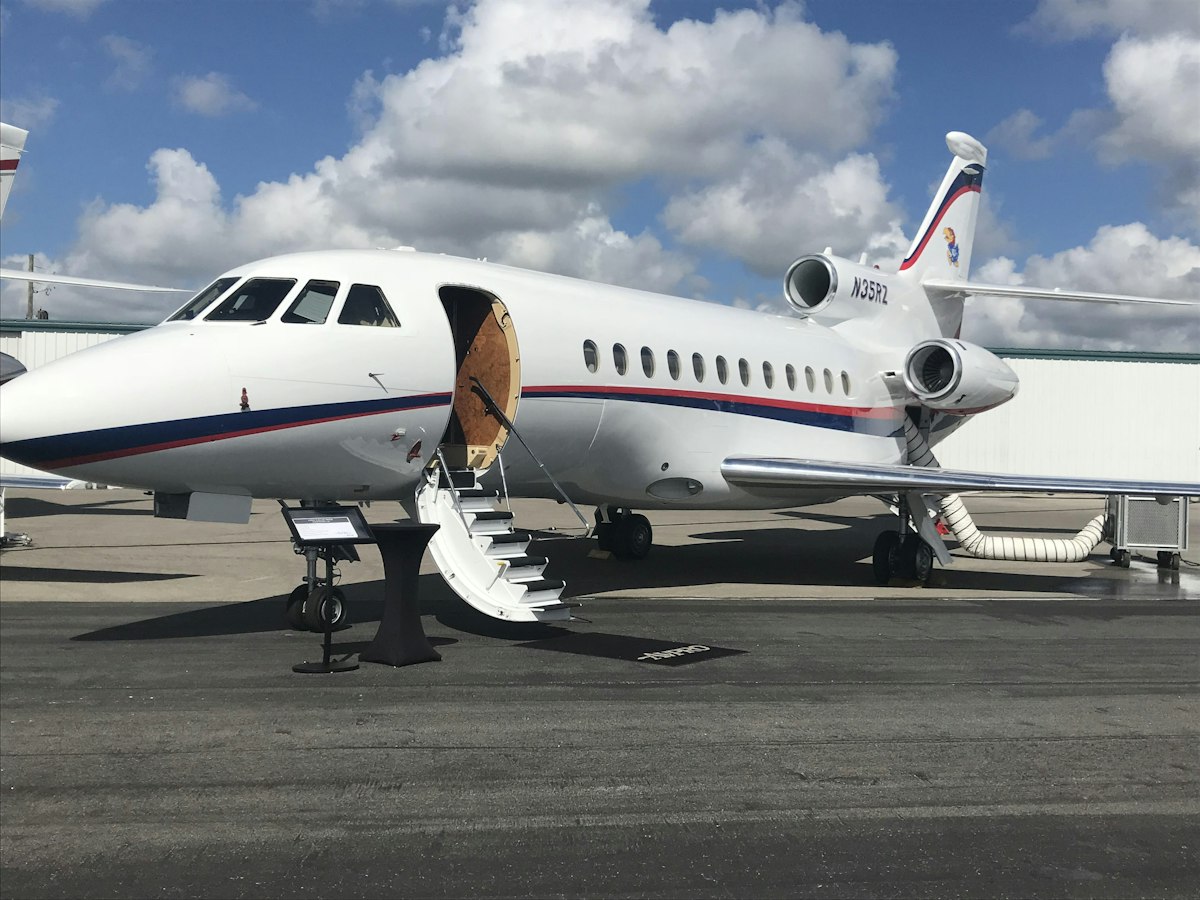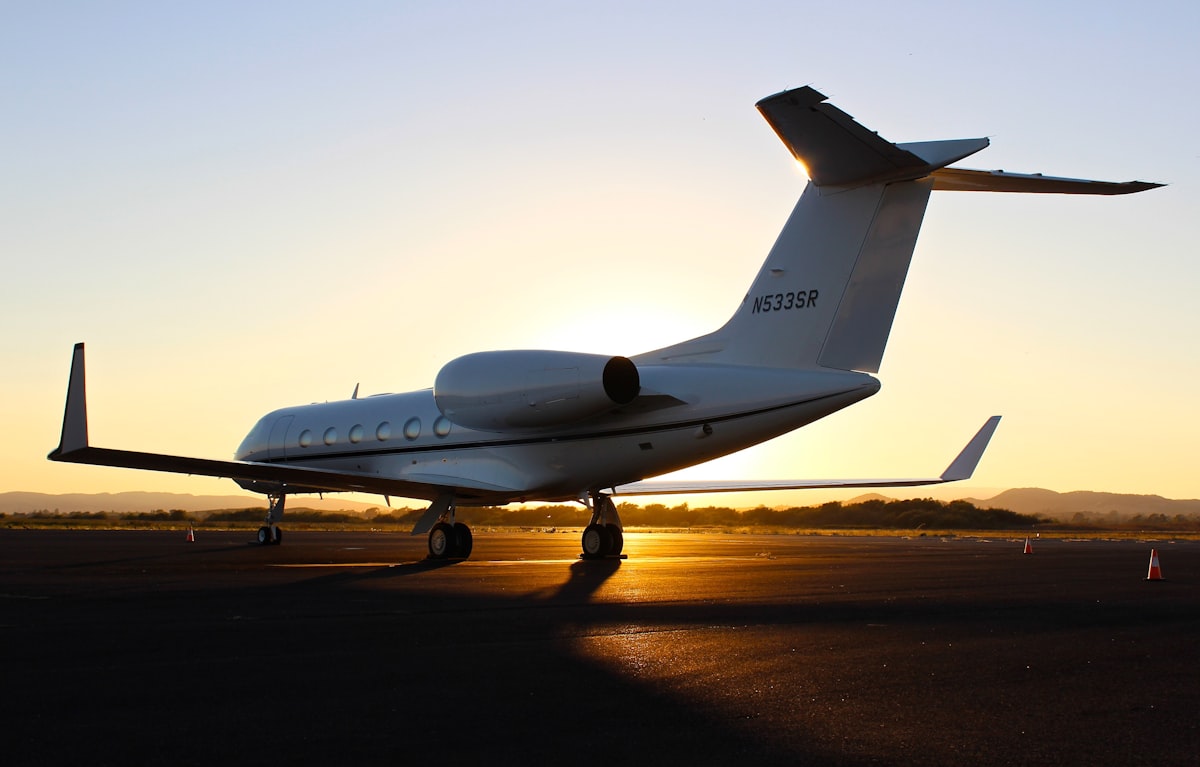

When Warren Buffett acquired NetJets, he called his private jet "The Indefensible" — a tongue-in-cheek acknowledgment that the expense seemed hard to justify. He later renamed it "The Indispensable" after realizing how fundamentally it transformed his ability to operate. That evolution in thinking mirrors the experience of nearly every business leader who transitions to private aviation.
The Time Equation
Time is the one resource that cannot be manufactured, borrowed, or recovered. For senior executives and entrepreneurs, every hour spent in an airport lounge, on a layover, or delayed on a runway is an hour not spent on strategy, relationships, or decision-making.
Consider a typical commercial travel day. Door-to-door, a Delhi to Mumbai commercial flight consumes five to seven hours — airport arrival two hours early, security, boarding, the flight itself, deplaning, baggage, and ground transfer. The same journey by private jet takes under three hours door-to-door, with productive time available throughout.
Multiply this efficiency across 50-100 trips annually, and private aviation recovers 200-400 hours per year. For a CEO whose time is valued at thousands of dollars per hour, the mathematics are compelling.
The Mobile Office
Modern business jets are equipped as genuine airborne offices. High-speed WiFi enables video conferencing, secure email, and cloud-based collaboration at 45,000 feet. Conference-style seating allows deal teams to prepare for meetings during flight. Enclosed cabins provide the privacy needed for sensitive discussions that would be impossible in a commercial first-class cabin.
This capability transforms travel time from dead time to productive time. Teams arrive at meetings prepared, aligned, and focused — not fatigued from commercial travel.
The Multi-City Advantage
Perhaps the most powerful advantage of private aviation is itinerary flexibility. A business leader can visit three cities in a single day — holding morning meetings in Mumbai, afternoon sessions in Hyderabad, and an evening dinner in Bangalore. Try that with commercial airlines.
This multi-city capability is particularly valuable for business development, investor relations, and operations oversight. Instead of dedicating two days to a single city visit, private aviation enables compressed schedules that cover more ground in less time.
Confidentiality and Security
For publicly traded companies, senior government officials, and high-profile individuals, the privacy of private aviation is not a luxury — it is a security requirement. Commercial travel exposes executives to observation, eavesdropping, and potential disruption. Private aviation eliminates these risks entirely.
Sensitive negotiations, board-level discussions, and crisis management require environments free from surveillance. A private aircraft cabin provides exactly that.
Recruiting and Retention
Access to private aviation is an increasingly common executive benefit for top-tier talent. Companies competing for exceptional CEOs, CFOs, and CTOs recognize that private travel capability signals commitment to executive effectiveness and wellbeing. In competitive hiring markets, this benefit can tip the balance.
The Family Dimension
The most frequently cited benefit among our clients is surprisingly personal: the ability to attend a child's school event in the morning and be in a boardroom 1,000 kilometres away by afternoon. Private aviation does not just optimize business — it enables business leaders to be present for the moments that matter at home.
Several of our clients have described this as the true value proposition of aircraft ownership: not the luxury, not the prestige, but the ability to be both a committed executive and a present parent or spouse.
The Investment Perspective
At MDG Aviation, we encourage clients to evaluate private aviation as a capital allocation decision, not an expense. When the time savings, productivity gains, itinerary flexibility, and quality-of-life improvements are quantified, the return on investment often competes favourably with other capital deployments.
The question is not whether you can afford private aviation. It is whether you can afford the hidden costs of not using it — the missed meetings, the lost deals, the exhausted arrivals, and the family events attended by video call instead of in person.
Private aviation does not change what you do. It changes how effectively you do it. And in competitive markets, that effectiveness is the edge that separates good from great.